Elena Wolf · 10 October 2026
Harvest Rhythms Meet Literary Sparks: Kirkvale's Festival Prep and Author Releases Weave New Patterns Through Local Heritage and Daily Commutes
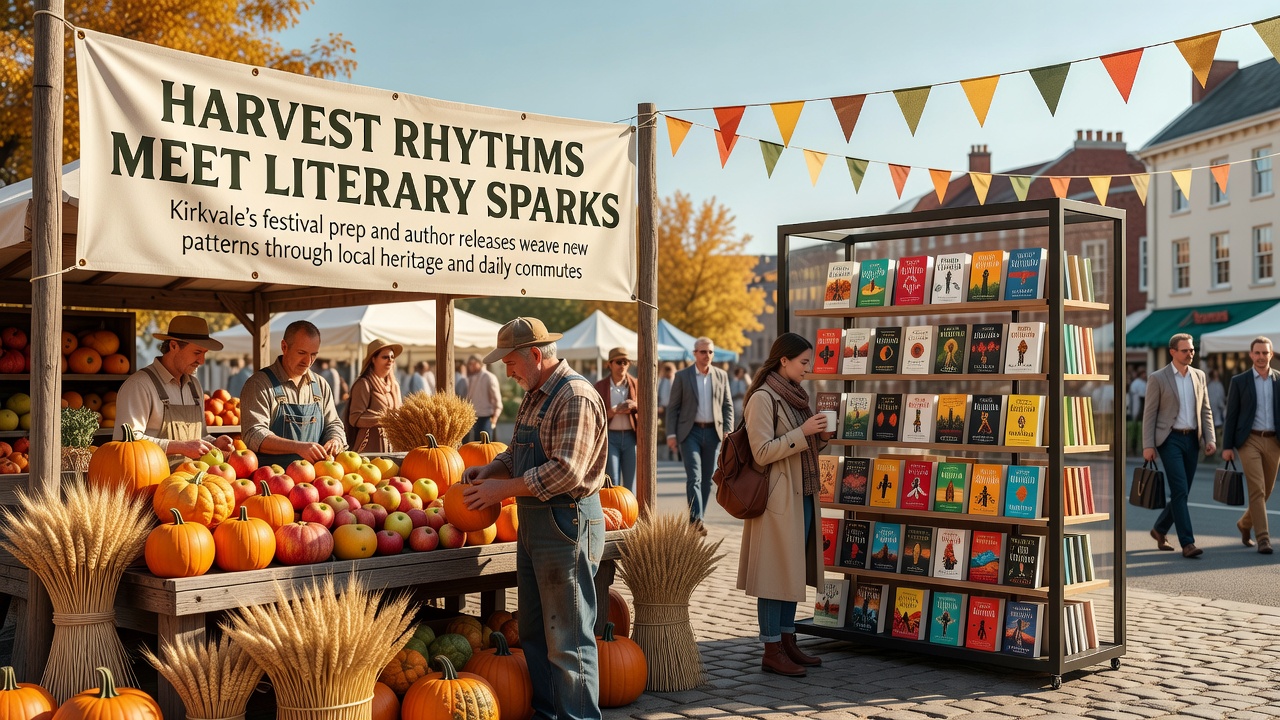
Local organizers in Kirkvale have started preparations for the annual harvest festival scheduled for October 2026, and these efforts now connect directly with several author releases that draw on regional farming traditions and transportation histories. Community groups coordinate schedules around existing transit routes while authors finalize manuscripts that reference both crop cycles and commuter patterns documented in parish records from earlier decades.
Festival Preparations Underway
Teams assemble stalls and stage areas near established bus stops and rail platforms, which allows participants to reach events without altering their regular travel times. Data collected by regional planning offices shows that coordinated timing reduces peak-hour disruptions by aligning festival activities with off-peak commute windows, and this approach builds on patterns observed during previous seasons when harvest events overlapped with daily work schedules.
Volunteers map out walking paths that link heritage sites to new pop-up reading areas, and these routes incorporate signage that highlights both agricultural milestones and literary milestones from Kirkvale's past. Materials from the festival include printed timelines that pair harvest dates with publication years of local authors, creating visual connections that residents encounter during routine journeys.
Author Releases Tied to Regional Themes
Several writers have scheduled book launches that coincide with the October 2026 festival dates, and their works explore how daily commutes intersect with seasonal labor in rural settings. Publishers release these titles through local bookstores that operate near transit hubs, which means commuters can pick up copies during standard travel routines rather than making separate trips.
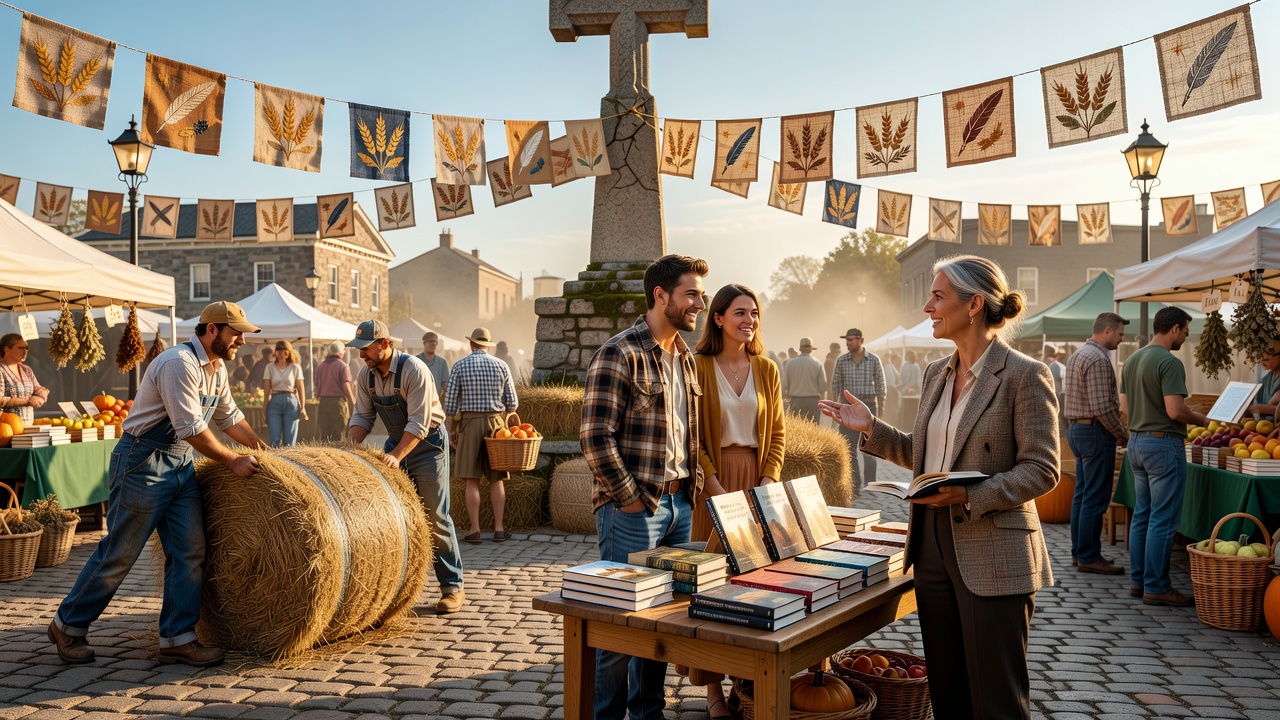
One release focuses on 19th-century harvest records that mention early forms of shared transport between farms and markets, while another examines how modern rail timetables influence contemporary storytelling set in the area. Book events take place in venues adjacent to established pathways, and organizers note that this placement allows attendees to combine literary discussions with their existing commute patterns without additional travel time.
Connections to Local Heritage
Heritage preservation groups contribute archival materials that appear in festival displays, and these items include maps showing how harvest routes evolved alongside early commuter lines. Researchers from institutions such as the Canadian Heritage Department have documented similar overlaps in other regions, where cultural events incorporate transportation history into programming. Kirkvale's approach follows this model by placing heritage panels at key commute nodes so that daily travelers encounter the information during regular movement through the area.
Parish archives supply photographs and ledgers that authors reference in their new works, and festival planners integrate these elements into interactive stations along pedestrian routes. The result creates a continuous thread that links agricultural practices from previous centuries with current literary output and present-day travel habits.
Effects on Daily Commutes
Transit operators adjust minor service frequencies during the festival period to accommodate increased foot traffic near event sites, yet they maintain core schedules that serve regular commuters. Reports from similar events coordinated by Australian transport authorities indicate that such adjustments improve overall flow when cultural activities align with existing infrastructure rather than requiring new routes.
Residents report that the combined festival and book events provide opportunities to engage with local stories during otherwise routine journeys, and this integration occurs because organizers site activities within walking distance of standard stops. Figures from regional mobility studies reveal that participants often extend their commutes by brief stops at reading corners or heritage markers without measurable delays to work arrival times.
October 2026 Timeline
Preparations intensify in the months leading to October 2026, with author proofs finalized by late summer and stall layouts confirmed by early autumn. The schedule places literary panels in the mornings when commuter volumes are lower, while harvest demonstrations occur in the afternoons to match school and work dismissal patterns. This sequencing draws on coordination methods used by cultural bodies in the European Union that track event timing against transport data.
Community updates distributed through parish channels detail these timings so that individuals can plan their routes accordingly, and digital notices appear on platforms already used for daily transit alerts. The approach keeps the focus on weaving festival elements into established rhythms rather than creating separate calendars.
Conclusion
The October 2026 harvest festival and accompanying author releases in Kirkvale form interconnected elements that reference both agricultural heritage and transportation patterns. Organizers place activities along existing commute corridors, and authors incorporate these same pathways into their narratives. The structure allows residents to encounter literary and historical content during regular travel, which maintains continuity with documented local practices while introducing new releases and seasonal events into daily movement through the area.