Gisela Lange · 2 September 2026
A local historian has brought to light a collection of 18th century documents that shed new light on the early development of Kirkvale. The papers, found during a routine check of a disused property on the outskirts of the village, include land deeds, personal letters and parish records dating from 1720 to 1795. They reveal details about farming practices, family lineages and community decisions that have remained unknown for generations.
The Discovery Process
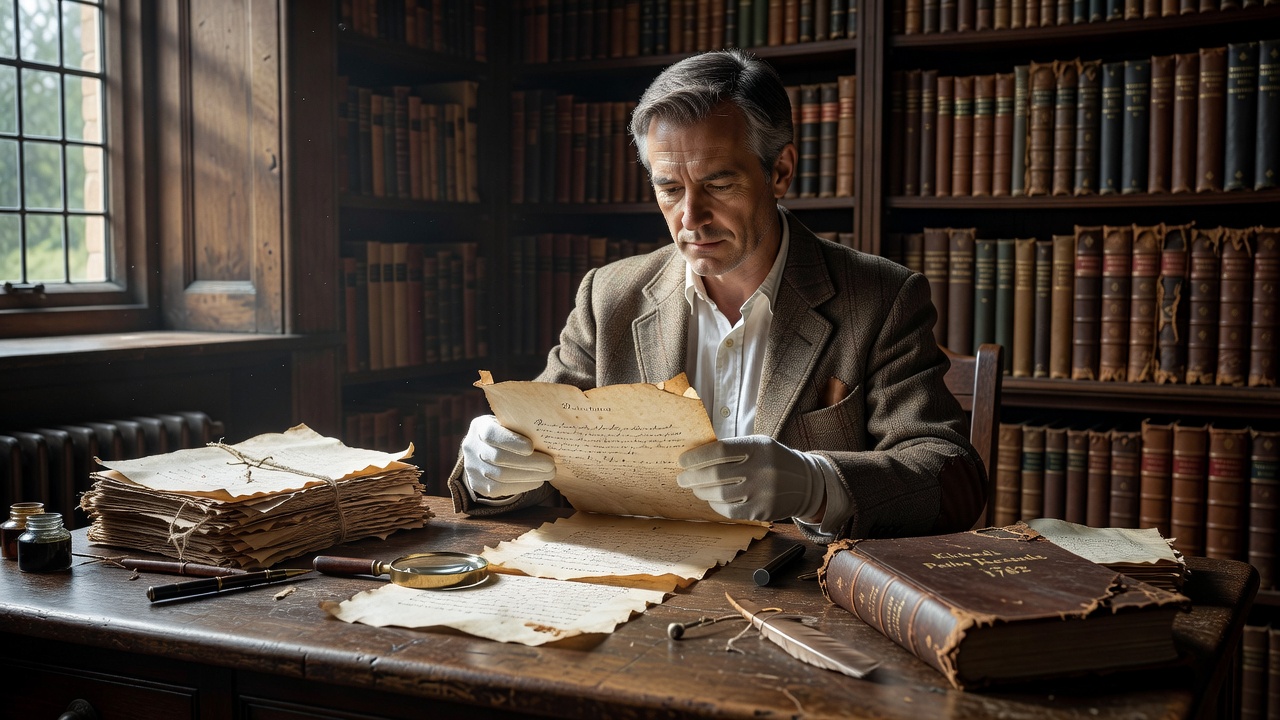
Dr Eleanor Hayes, a resident of Kirkvale for over thirty years, was examining the attic of a former farmhouse when she noticed a locked wooden chest beneath loose floorboards. Inside were bundles of parchment and vellum, some still bearing original wax seals. The documents had been protected from moisture and light, preserving ink and handwriting that remain legible today. Local archivist Thomas Reed assisted in cataloguing the find, confirming the dates through watermarks and signatures of known Kirkvale landowners. The papers mention specific field boundaries that match modern maps, offering evidence of how agricultural land was divided after the enclosure acts.
Among the letters is correspondence between two prominent families discussing the construction of the first stone bridge across the River Vale in 1748. Another set records payments to labourers for clearing woodland, providing insight into the workforce and wages of the period. Parish records list baptisms, marriages and burials that fill gaps in the official registers held at the county archive. Community members have been invited to view high-resolution scans at the Kirkvale Heritage Centre once conservation work is complete.
Impact on Local Heritage
The discovery strengthens Kirkvale’s connection to its Georgian past and supports ongoing efforts to preserve historic buildings. Researchers note that the documents confirm the presence of a small market in the village square as early as 1763, earlier than previously recorded. This information may influence future planning applications and educational programmes at the local primary school. Dr Hayes has donated the collection to the Kirkvale Community Trust, ensuring public access while retaining the originals in climate-controlled storage. Further analysis is planned, including possible DNA testing of seals to trace family connections. Residents expressed pride that such significant material had remained within the village rather than being lost or sold elsewhere. The find underscores the value of careful stewardship of older properties and the role of dedicated local historians in uncovering Kirkvale’s layered history.