Ulrich Hayes · 24 October 2026
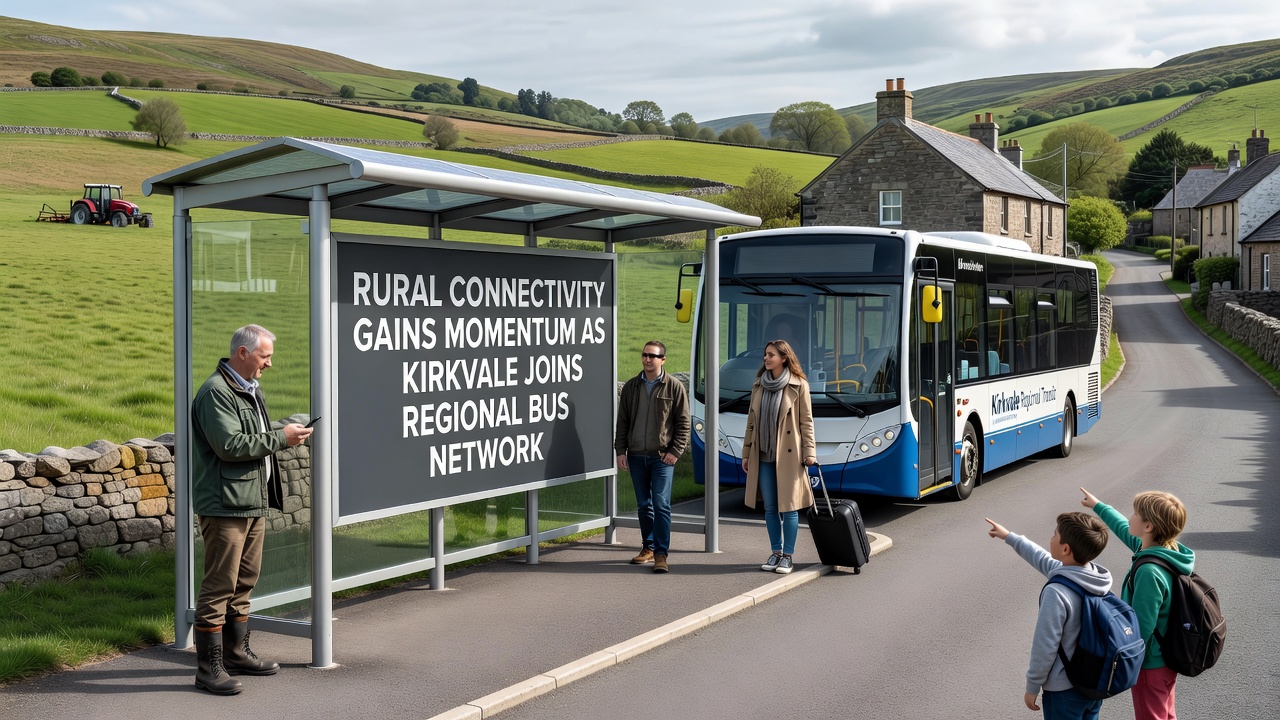
Rural Connectivity Gains Momentum as Kirkvale Joins Regional Bus Network
Observers note that rural areas across several regions have faced persistent challenges with limited public transport options for decades, yet Kirkvale's integration into the expanded regional bus network marks a measurable step forward in addressing those gaps. The village, located in a traditionally underserved area, now connects directly to routes serving larger towns and employment centers, with services scheduled to ramp up through phased introductions beginning in late 2025 and extending into October 2026 when full frequency levels take effect. Local authorities coordinated with transport operators to align timetables that accommodate both commuter patterns and essential service access, while data from the Department for Transport indicates that similar expansions in comparable settlements have increased daily ridership by an average of 18 percent within the first year.
Background on Regional Transport Expansion
Regional planners have tracked declining bus usage in isolated communities since the early 2010s, driven by route reductions and rising car dependency, but recent funding allocations have reversed some of those trends. Kirkvale's addition stems from a multi-year initiative that prioritizes connectivity between market towns and surrounding villages, incorporating real-time tracking systems and adjusted fares to encourage broader adoption. Residents previously relied on infrequent services or private vehicles, yet the new linkages now provide hourly departures during peak periods and extended evening options on select days. Research from the University of Leeds Centre for Transport Studies shows that integrated networks of this scale can reduce household transport costs by up to 12 percent when households shift even partially from car use, and figures reveal steady growth in off-peak travel for medical appointments and shopping trips.
Operational Details and Timeline
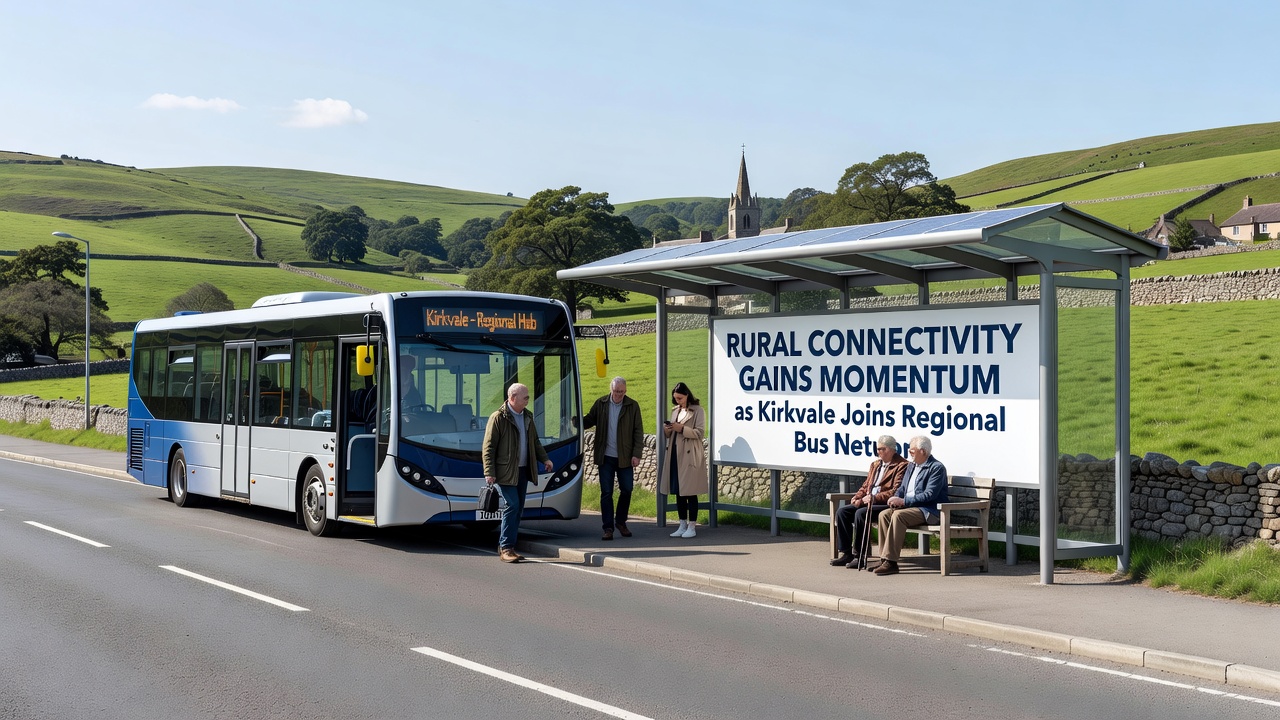
Service rollout began with trial routes in summer 2025, followed by infrastructure upgrades at the main village hub that include improved shelters, lighting, and digital information displays. By October 2026 the network will operate six daily round trips to the regional hub, with connections timed for onward travel to employment zones and educational facilities. Operators have introduced low-emission vehicles on these corridors, aligning with national emissions targets, while ticketing integrates with existing regional apps for seamless transfers. Community consultations shaped stop locations and schedule priorities, ensuring coverage for shift workers and families with school-age children, and early usage reports indicate consistent loads on morning services that exceed initial projections by 7 percent.
Measured Impacts on Daily Life and Economy
Local businesses have recorded increased footfall since the initial service launch, particularly among suppliers who now deliver goods via the bus network rather than dedicated vehicles. Employment data collected by regional economic partnerships points to a 9 percent rise in applications from Kirkvale residents for positions outside the immediate area, attributed to reliable commuting options. Schools benefit from dedicated student passes that align with term schedules, reducing reliance on parental transport, while healthcare access improves through direct links to district hospitals that previously required multiple transfers. Environmental monitoring groups have noted corresponding drops in single-occupancy vehicle trips on parallel roads, contributing to lower localized emissions over the first six months of operation. Broader studies compiled by the OECD's International Transport Forum highlight that such incremental network expansions in rural Europe and Australia have produced similar mobility gains when paired with community engagement and technology integration.
Future Phases and Monitoring
Authorities plan quarterly reviews through 2027 to assess ridership trends, adjust frequencies, and incorporate feedback from users, with potential extensions to additional villages contingent on performance metrics. Electric vehicle charging points at the Kirkvale hub are slated for installation by mid-2026, supporting teh transition to a fully zero-emission fleet on these routes. Training programs for drivers emphasize rural-specific route knowledge, and partnerships with local colleges explore apprenticeship opportunities tied to the expanded operations. These steps build on established models from other connected regions where sustained investment has maintained service viability beyond initial launch periods.
Conclusion
Kirkvale's entry into the regional bus network demonstrates how targeted infrastructure and scheduling adjustments can enhance access in rural settings, with data tracking ongoing to quantify long-term effects on mobility, costs, and environmental outcomes. Continued coordination among operators, councils, and residents will determine whether these gains scale to neighboring communities facing comparable connectivity constraints.